
 Free Shipping
 Ready to ship
|
In quiet moments, crafted with care, From morning light to evening’s rest, Its form is simple, sleek, refined, |
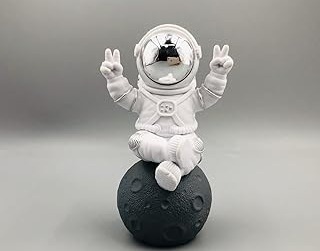 |
test
jelly masters jelly mastersjelly mastersjelly masters jelly masters jelly masters jelly masters jelly masters jelly masters jelly masters jelly masters jelly masters jelly masters jelly mastersjelly .
Lot Size= 20Milligram(s)/Pair(s)
|Unit of measure through which the product is packed and sold.
Min. Order: 20 Milligram(s)
Minimum number of units below which the order will not be accepted.
$3
1-2 Milligram(s)
Size:
20
$3/Milligram
Lot size
Unit of measure through which the product is packed and sold.
20Milligram(s)

Min. order Qty
Minimum number of units below which the order will not be accepted.
20 Milligram(s)
$3.00 /Milligram(s)
Total quantity
0
Total price
$0.00

ORACLE
Call Vendor
Call vendor directly for a
better price & negotiations
better price & negotiations
Product Overview
Dummy Product DescriptionDummy Product DescriptionDummy Product DescriptionDummy Product DescriptionDummy Product DescriptionDummy Product DescriptionDummy Product DescriptionDummy Product DescriptionDummy Product DescriptionDummy Product DescriptionDummy Product DescriptionDummy Product DescriptionDummy Product DescriptionDummy Product DescriptionDummy Product Description
Product testing is a fundamental phase in the lifecycle of any product, ensuring that it meets quality standards, performs as intended, and delivers a satisfactory user experience. This stage bridges the gap between development and market release, acting as a safeguard against potential failures, defects, or inconsistencies. Whether the product is software, hardware, or a consumer good, rigorous testing helps identify issues early, reducing long-term costs and protecting brand reputation.
At its core, product testing involves evaluating functionality, usability, performance, and reliability. Functionality testing verifies that all features work according to specifications. For instance, if a product includes multiple components or features, each must operate seamlessly both independently and together. Any deviation from expected behavior is documented and addressed before the product reaches the end user. This ensures that the product fulfills its intended purpose without errors or interruptions.
Usability testing, on the other hand, focuses on the user experience. A product may function perfectly from a technical standpoint, but if users find it difficult to use, confusing, or unintuitive, it will likely fail in the market. Testers often simulate real-world usage scenarios, observing how users interact with the product and identifying pain points. Feedback collected during this stage is invaluable, as it provides insights into user expectations and preferences. By refining the design and interface based on this feedback, companies can create products that are not only functional but also enjoyable to use.
Performance testing evaluates how a product behaves under various conditions. This includes testing for speed, responsiveness, and stability. For example, a product may perform well under normal conditions but fail when subjected to high demand or stress. Performance testing ensures that the product can handle such scenarios without compromising quality. This is particularly important for products that are expected to operate continuously or support a large number of users simultaneously.
Reliability testing examines the product’s consistency over time. It determines whether the product can maintain its performance and functionality under prolonged use. This type of testing often involves repeated use, exposure to different environments, or simulation of long-term operation. The goal is to identify potential points of failure and ensure that the product remains dependable throughout its lifecycle. A reliable product builds trust with users and reduces the likelihood of returns, complaints, or negative reviews.
Another critical aspect of product testing is compliance and safety. Products must adhere to industry standards, regulations, and safety requirements. Testing ensures that the product does not pose any risk to users and meets all قانونی and ethical guidelines. This is especially crucial for products that directly impact health, safety, or financial well-being. Failure to comply with regulations can lead to legal consequences and damage to the company’s reputation.
The testing process typically involves multiple stages, starting with initial testing during development and continuing through to final validation before release. Early testing, often referred to as unit or component testing, focuses on individual parts of the product. As development progresses, integration testing ensures that different components work together seamlessly. System testing evaluates the complete product in a controlled environment, while user acceptance testing involves real users assessing the product in practical scenarios.
Automation has become an increasingly important tool in product testing. Automated testing allows for faster execution of repetitive tasks, improved accuracy, and consistent results. It is particularly useful for regression testing, where previously tested features are re-evaluated after changes or updates. However, manual testing remains essential, especially for areas that require human judgment, such as usability and user experience.
Effective product testing also relies on proper documentation. Test plans, test cases, and test results must be recorded in detail. This documentation provides a clear understanding of what has been tested, what issues were identified, and how they were resolved. It also serves as a reference for future testing and helps maintain consistency across different testing cycles.
Communication plays a vital role in the testing process. Testers, developers, and stakeholders must collaborate closely to ensure that issues are identified and resolved efficiently. Clear communication helps prioritize critical issues, align expectations, and ensure that the product meets business objectives. Regular updates and feedback loops contribute to a smoother testing process and a higher-quality final product.
In conclusion, product testing is an essential component of product development that ensures quality, reliability, and user satisfaction. By thoroughly evaluating functionality, usability, performance, and compliance, companies can identify and address potential issues before the product reaches the market. This not only enhances the product’s success but also strengthens customer trust and brand credibility. As products become more complex and user expectations continue to rise, the importance of comprehensive and effective testing will only continue to grow.
| TEST - 1 | TEST - 2 | TEST - 3 | TEST - 4 | TEST - 5 |
|---|---|---|---|---|
| Product testing is a fundamental phase in the lifecycle of any product, ensuring that it meets quality standards, performs as intended, and delivers a satisfactory user experience. This stage bridges the gap between development and market release, acting as a safeguard against potential failures, defects, or inconsistencies. Whether the product is software, hardware, or a consumer good, rigorous testing helps identify issues early, reducing long-term costs and protecting brand reputation. |
At its core, product testing involves evaluating functionality, usability, performance, and reliability. Functionality testing verifies that all features work according to specifications. For instance, if a product includes multiple components or features, each must operate seamlessly both independently and together. Any deviation from expected behavior is documented and addressed before the product reaches the end user. This ensures that the product fulfills its intended purpose without errors or interruptions. Usability testing, on the other hand, focuses on the user experience. A product may function perfectly from a technical standpoint, but if users find it difficult to use, confusing, or unintuitive, it will likely fail in the market. Testers often simulate real-world usage scenarios, observing how users interact with the product and identifying pain points. Feedback collected during this stage is invaluable, as it provides insights into user expectations and preferences. By refining the design and interface based on this feedback, companies can create products that are not only functional but also enjoyable to use. |
Performance testing evaluates how a product behaves under various conditions. This includes testing for speed, responsiveness, and stability. For example, a product may perform well under normal conditions but fail when subjected to high demand or stress. Performance testing ensures that the product can handle such scenarios without compromising quality. This is particularly important for products that are expected to operate continuously or support a large number of users simultaneously. Reliability testing examines the product’s consistency over time. It determines whether the product can maintain its performance and functionality under prolonged use. This type of testing often involves repeated use, exposure to different environments, or simulation of long-term operation. The goal is to identify potential points of failure and ensure that the product remains dependable throughout its lifecycle. A reliable product builds trust with users and reduces the likelihood of returns, complaints, or negative reviews. |
nother critical aspect of product testing is compliance and safety. Products must adhere to industry standards, regulations, and safety requirements. Testing ensures that the product does not pose any risk to users and meets all قانونی and ethical guidelines. This is especially crucial for products that directly impact health, safety, or financial well-being. Failure to comply with regulations can lead to legal consequences and damage to the company’s reputation. The testing process typically involves multiple stages, starting with initial testing during development and continuing through to final validation before release. Early testing, often referred to as unit or component testing, focuses on individual parts of the product. As development progresses, integration testing ensures that different components work together seamlessly. System testing evaluates the complete product in a controlled environment, while user acceptance testing involves real users assessing the product in practical scenarios. Automation has become an increasingly important tool in product testing. Automated testing allows for faster execution of repetitive tasks, improved accuracy, and consistent results. It is particularly useful for regression testing, where previously tested features are re-evaluated after changes or updates. However, manual testing remains essential, especially for areas that require human judgment, such as usability and user experience. |
Effective product testing also relies on proper documentation. Test plans, test cases, and test results must be recorded in detail. This documentation provides a clear understanding of what has been tested, what issues were identified, and how they were resolved. It also serves as a reference for future testing and helps maintain consistency across different testing cycles. Communication plays a vital role in the testing process. Testers, developers, and stakeholders must collaborate closely to ensure that issues are identified and resolved efficiently. Clear communication helps prioritize critical issues, align expectations, and ensure that the product meets business objectives. Regular updates and feedback loops contribute to a smoother testing process and a higher-quality final product. In conclusion, product testing is an essential component of product development that ensures quality, reliability, and user satisfaction. By thoroughly evaluating functionality, usability, performance, and compliance, companies can identify and address potential issues before the product reaches the market. This not only enhances the product’s success but also strengthens customer trust and brand credibility. As products become more complex and user expectations continue to rise, the importance of comprehensive and effective testing will only continue to grow. |
Dummy Product Description (Poem Format)
In quiet moments, crafted with care,
A product designed beyond compare.
With subtle grace and purpose true,
It waits each day to serve for you.
From morning light to evening’s rest,
It stands resilient, giving its best.
Through every task, both big and small,
A steady companion through it all.
Its form is simple, sleek, refined,
A blend of function and thoughtful design.
Each detail shaped with mindful art,
Created to play a useful part.
Not just an item placed on a shelf,
But something that speaks for itself.
Reliable, strong, and built to last,
Rooted in present, inspired by past.
In every use, a story grows,
Of ease and comfort that it bestows.
A silent helper, calm and wise,
Bringing convenience to daily lives.
So take a moment, pause, and see,
What thoughtful design can truly be.
More than a product, tried and true,
A little touch of ease for you.


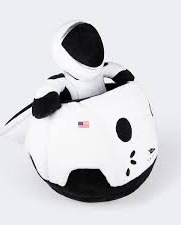


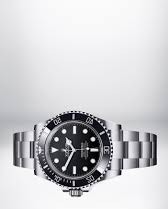



Looks like no one's reviewed this yet.
Why not be the first to share your opinion?
$45 /bg
1 bg (Min order)
Ready to Ship
BD


Ladies’ Fancy Party Wear Shirts
$64.78 /pc
1 pc (Min order)
Ready to Ship
US


$12 /pc
1 pc (Min order)
Ready to Ship
US

$22 /bg
1 bg (Min order)
Ready to Ship
US
$22 /bg
1 bg (Min order)
Ready to Ship
US

Today Free Account Free Product
$333 /bx
1 bx (Min order)
Ready to Ship
DZ


$21 /bx
11 bxs (Min order)
Ready to Ship
US

/pc
1 pc (Min order)
Ready to Ship
US

/pc
1 pc (Min order)
Ready to Ship
US

/pc
1 pc (Min order)
Ready to Ship
US













$435345 - $435345 /bg
232323 bgs (Min order)
Ready to Ship
US

$888888 - $999999 /bg
34 bgs (Min order)
Ready to Ship
US

headingheadingheading Elevate Your Brand with Valentino
$324 /bl
342 bls (Min order)
Ready to Ship
US

Valentino Donna Roma Signature Eau de Parfum
$234 /bg
234 bgs (Min order)
Ready to Ship
US

$34 /bg
32 bgs (Min order)
Ready to Ship
US

$45 /bg
45 bgs (Min order)
Ready to Ship
US

$34 /bg
343 bgs (Min order)
Ready to Ship
US

AI Content Enhancement 0/50AI Content Enhancement 0/50AI Content Enhancement 0/50
$34 /bg
234 bgs (Min order)
Ready to Ship
US

$565464 /bg
232323 bgs (Min order)
Ready to Ship
US

AIContentEnhancementAIContentEnhancementAIContentEnhancementAIContentEnhancementAIContentEnhancemen
$4535 - $8797 /bg
343 bgs (Min order)
Ready to Ship
US
Back to top
Product Information

Eat, Drink, Fruit Original Flavor colorful candy sweets sour Fruit Candy Original 30g
Attribute(Color) | Quantity(Required) | Display Price(Per Unit) | Total(Est.Price) |
|---|---|---|---|
 | 210 | $3780.00 | |
| 210 | $3780.00 |
Copyright 2026 Seebiz Inc. All rights reserved